August Beekeeping Update At the wave, Bristol
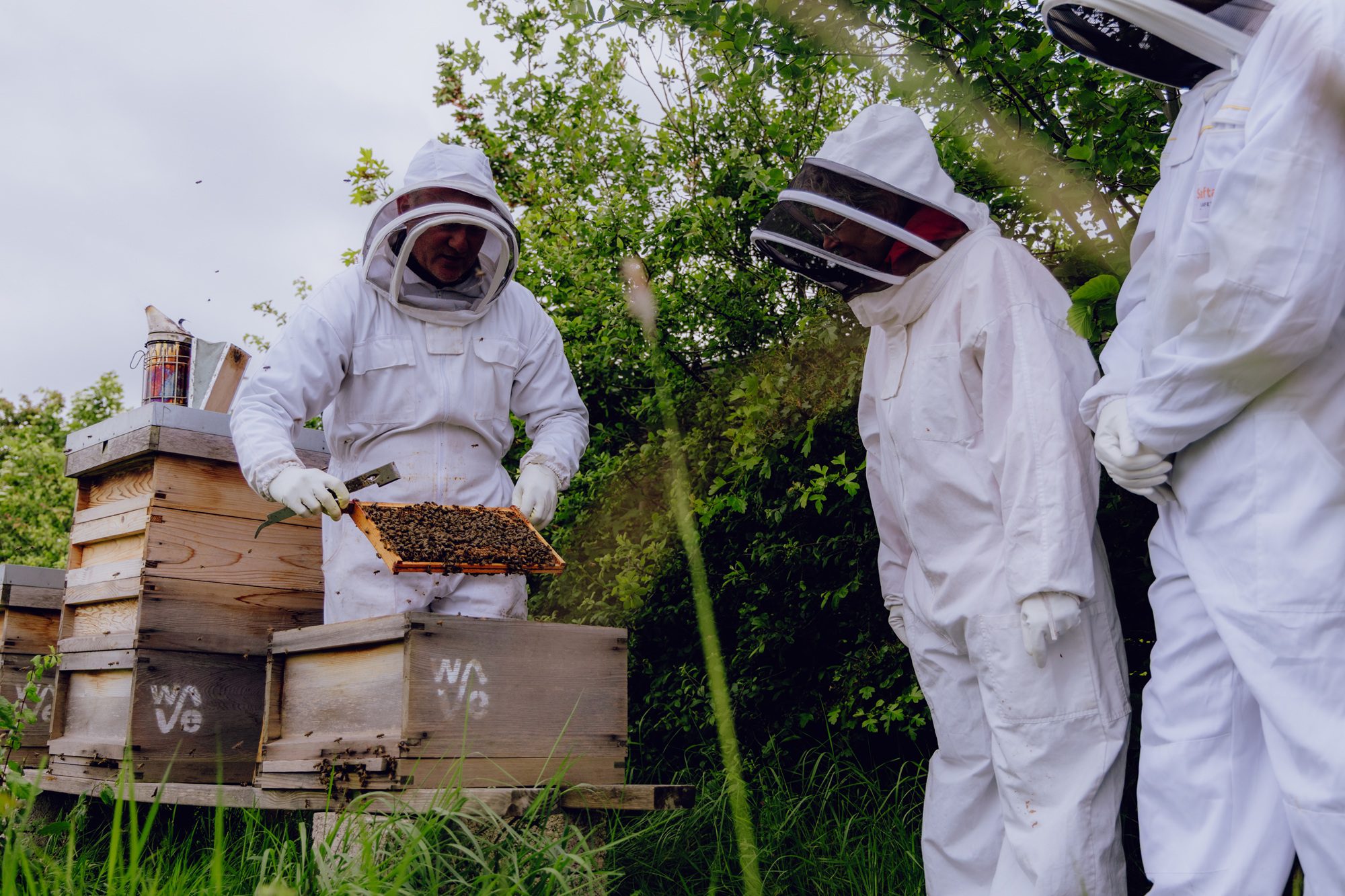
August is always one of the most rewarding months in the beekeeping calendar. After months of watching the colonies build, grow and work the surrounding landscape, we begin to see the results of all that activity as the honey harvest gets underway. We have been carefully checking the colonies and bringing in honey that is ready to be harvested. Our bees always come first, and we only ever take genuine surplus honey… never what the colony needs for itself. Frames are removed, the wax cappings are taken off and the honey is spun before being passed through fine sieves to remove any natural debris. What remains is exactly what we want, raw, pure honey, with nothing added and nothing taken away.
Every harvest also tells the story of the landscape around the hives. Throughout the summer, the bees have been working across the hedgerows and the surrounding countryside, collecting nectar from the abundance of flowers available to them. The result is a honey with its own character and, in many ways, its own fingerprint of the place where it was produced.
But while the harvest is the part everyone sees, August is also when some of the most important work of the beekeeping year begins.
Preparing the colonies for winter
Once the surplus honey has been removed, our attention turns firmly towards the months ahead. The bees don't simply stop working when the surplus honey comes off. The colony now needs to transition from summer production into winter preparation.
We are assessing stores, checking colony strength, ensuring queens are performing well and making sure each hive is in the best possible condition going into autumn. This is also the time for essential seasonal treatments and hive management, including our Varroa control programme, while the equipment removed from the hives is cleaned, stored and prepared for the season ahead.
It can be a quieter period to look at from the outside, but there is a huge amount going on inside the hives. The summer bees will gradually die off and be replaced by the longer-lived winter bees that will form the core of the colony through the colder months. The health and strength of those colonies going into autumn is therefore incredibly important.
The work continues
The honey harvest is a wonderful, tangible result. Something that can be shared with guests, employees and customers, but behind every jar is twelve months of care, management and attention to the colonies. From spring build-up and summer foraging through to harvesting, disease management and winter preparation, beekeeping is a year-round commitment.
For us, the principle is simple: the bees come first. If a colony needs its honey, it stays in the hive. If it has produced more than it needs, we can share a little of that surplus with you all.
The harvest may mark the end of the main honey-producing season, but for the beekeeper, some of the most important work of the year is only just beginning.
Our focus now is simple: healthy, strong colonies, well prepared for winter, ready to emerge next spring and begin the whole cycle again.
Author: Martin Knight from Knight's Beekeeping
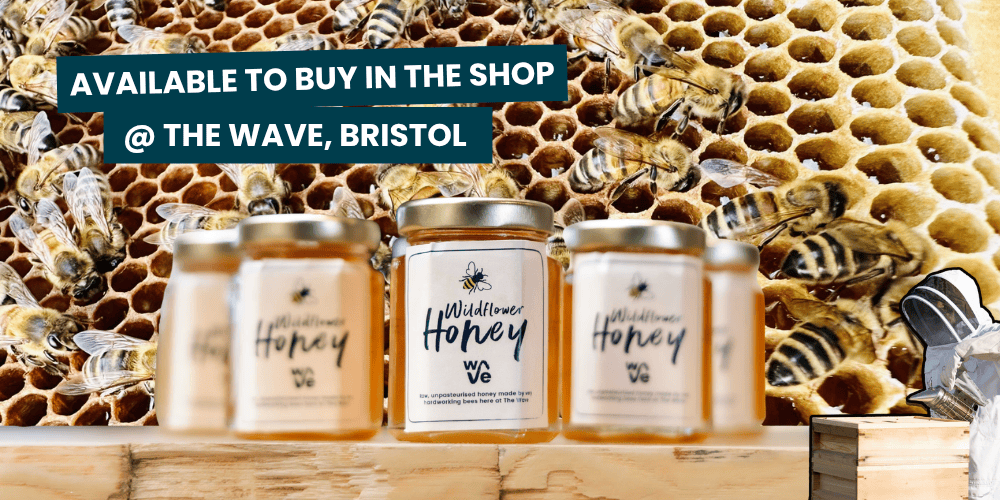
The Wave Wildflower honey
Available to buy in The Wave Shop